Most people who feel nervous about flying focus their anxiety on the flight itself. The turbulence, the altitude, the six hours over the Atlantic with nothing below but cold water. What they rarely think about is the airport, the piece of the journey that actually has a measurable safety profile of its own, one shaped by weather patterns, wildlife activity, wind conditions, and two decades of accident data.
A new study from San Antonio-based George Salinas Injury Lawyers has done exactly that analysis, combing through 20 years of records from the Federal Aviation Administration and the National Transportation Safety Board to rank the ten safest major airports in the United States. The results might surprise you, and if you happen to live in Texas, they will probably make your next departure feel a lot more comfortable.
Dallas Fort Worth International Airport took the top spot. Here is why, and what it means for travelers who are choosing where to fly from or connecting through on their next trip.
How the Study Worked
The research team pulled FAA and NTSB records spanning two decades and evaluated airports across four specific categories: accident rates per million flights, annual snow days that could disrupt operations, the percentage of wildlife strikes considered damaging to aircraft, and peak wind gust speeds. Each of these factors contributes to the real operational safety profile of an airport in ways that go beyond general perception.
The methodology matters because it grounds the ranking in hard data rather than reputation. An airport in a sunbelt city might feel safer because the weather seems calm, but peak wind gusts or a history of wildlife strike incidents can tell a different story. Conversely, an airport in a northern climate might have more snow days but excellent accident rates across every other category.
Attorney George Salinas put the findings in perspective, noting that the data consistently shows accident rates at top airports are low enough that travelers who feel anxious about flying are rarely responding to a risk level that matches the actual numbers. Booking through airports with strong safety track records across all four categories is one of the most practical ways to approach air travel with a calmer mindset.
Dallas Fort Worth International Airport: Why It Ranks First
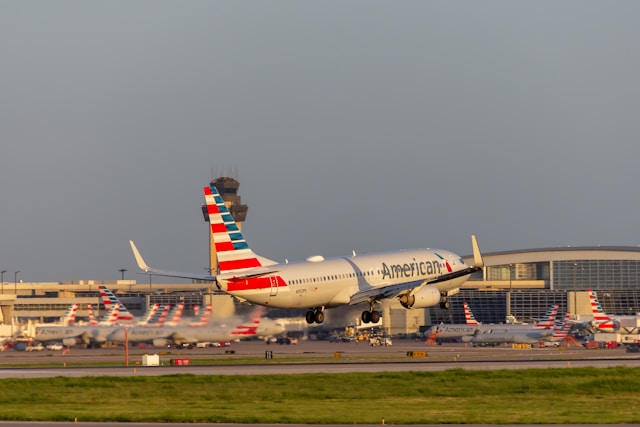
DFW earns the top position through a combination of factors that stack up more favorably than any other airport in the study.
The accident rate at Dallas Fort Worth sits at just three incidents per million flights, the lowest figure in the ranking. Over a twenty-year dataset covering one of the busiest airports in the world and a major hub for American Airlines, three accidents per million flights is a number that puts the risk level in sharp perspective.
The weather profile contributes significantly to the result. DFW averages only one snow day per year, which keeps weather-related disruptions and the conditions that snow and ice introduce to runway operations at a minimum. Peak wind gusts at the airport reach 34 mph, the lowest of any airport in the study. Calmer wind conditions reduce the complexity of takeoffs and landings and limit the frequency of wind shear events that create operational challenges.
Wildlife strikes at DFW result in damage just 2.1% of the time, another figure that sits at the favorable end of the study's range. Wildlife strikes are a routine part of airport operations at virtually every major facility in the country, but the proportion of those strikes that cause actual damage to aircraft varies considerably from airport to airport depending on the surrounding environment and the wildlife management programs in place.
Together, these four metrics put DFW in a category of its own among major American airports.
The Full Top 10 Safest Airports in the United States
- Dallas Fort Worth International Airport, Texas
- Charlotte Douglas International Airport, North Carolina
- San Diego International Airport, California
- Hartsfield-Jackson Atlanta International Airport, Georgia
- Los Angeles International Airport, California
- Seattle-Tacoma International Airport, Washington
- Detroit Metropolitan Wayne County Airport, Michigan
- George Bush Intercontinental Airport, Texas
- Ronald Reagan Washington National Airport, Washington D.C.
- Nashville International Airport, Tennessee
Charlotte Douglas takes second place with approximately five accidents per million flights, less than one snow day per year, and just 2% of wildlife strikes resulting in damage. San Diego, Atlanta, and Los Angeles round out the top five, with California and Georgia's favorable weather profiles contributing to their positions.
Detroit Metropolitan Wayne County Airport earns seventh place overall despite recording the most snow days of any airport in the top ten, with more than 11 per year. The airport's strong performance across the other three categories keeps it well within the top ten even with a winter weather profile that differs significantly from the sunbelt airports above it.
Two Texas airports appear in the top ten overall, DFW at first and George Bush Intercontinental in Houston at eighth, which reflects the consistent advantage that Texas's weather and flat terrain provide from an aviation safety standpoint.
What This Means for Nervous Flyers
The most useful thing this study offers anxious travelers is not reassurance based on feeling; it is reassurance based on data. Two decades of FAA and NTSB records across millions of flights produce a picture of air travel safety that is considerably more favorable than the experience of sitting in a window seat during moderate turbulence tends to suggest.
The airports that rank highest share a common profile: low accident rates, manageable weather, minimal damaging wildlife activity, and calm wind conditions. These are not abstract variables. They directly influence the day-to-day operational safety of a facility, and they are measurable across the full span of aviation history at each airport.
For travelers who have a choice of departure airport, whether because they live between two major hubs or because they are connecting through a large city with multiple options, this ranking provides a factual framework for making that decision with safety as a conscious input rather than an afterthought.
Parking at Dallas Fort Worth International Airport

If DFW is your departure point, getting your parking sorted in advance is worth doing, particularly given how large and busy the airport is. Through OneStopParking, several well-reviewed off-site parking facilities near DFW offer shuttle connections to the terminals at rates that come in considerably below what on-airport parking charges. Here is what is currently available.
The Westin Dallas Fort Worth sits 1.5 miles from DFW Airport and offers self-parking with 24/7 shuttle service running every hour on the hour, with on-demand pickups also available. The facility has security cameras and accessible parking. Parking starts at $9.99 per day through OneStopParking.
DFW Airport Hotel and Conference Center is 6 miles from the airport and offers self-parking with shuttle service running from 4 am to 1 am, every hour on the hour. The facility has security cameras on-site. Parking starts at $5.99 per day.
Courtyard Marriott Dallas Airport sits 3 miles from DFW and offers self-parking with accessible spaces. The shuttle runs every 30 minutes between 4:30 am and 11 pm. No shuttle operates between 11 pm and 4:30 am, so this option works best for travelers with daytime departures and arrivals, and parking starts at $4.95 per day.
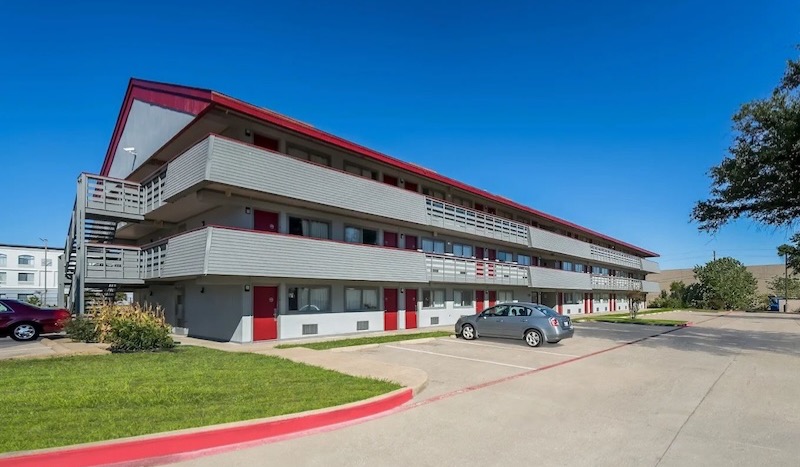
Red Roof Inn is 3 miles from DFW and offers self-parking with shuttle service running from 3:30 am to 1 am. It starts at $4.75 per day, making it the most affordable option in this group.
All four facilities are bookable in advance through OneStopParking, which locks in your rate and guarantees your space before departure day.
Frequently Asked Questions About Airport Safety and DFW
Q: What makes an airport safe according to this study?
The George Salinas Injury Lawyers study evaluated four specific factors: accident rates per million flights drawn from FAA and NTSB records, the number of snow days per year that affect operations, the percentage of wildlife strikes that result in aircraft damage, and peak wind gust speeds. Each factor contributes to the overall safety score, with lower figures across all four categories producing a stronger result.
Q: How many years of data did the study cover?
The research team analyzed 20 years of FAA and NTSB records to build the ranking, which provides a statistically meaningful dataset rather than a snapshot of recent performance.
Q: Is Dallas Fort Worth a safe airport for families?
The study ranks DFW as the safest major airport in the United States based on operational and environmental safety data. The airport is also one of the most frequently used family travel hubs in the country, with the full infrastructure of a major international airport including multiple terminals, extensive dining and retail options, and straightforward domestic and international connections.
Q: Why does weather affect airport safety?
Snow, ice, and high winds all introduce additional complexity to takeoff and landing operations. Snow and ice on runways require treatment and can delay or cancel flights, while high wind speeds and wind shear create more demanding conditions for pilots during approach and departure. Airports with fewer snow days and lower peak wind gusts face these conditions less frequently, which contributes to lower overall accident rates over time.
Q: What is a wildlife strike and how does it affect flights?
A wildlife strike occurs when an aircraft collides with a bird or other animal during takeoff, landing, or flight. These strikes happen at virtually every major airport and are tracked in detail by the FAA. Most strikes cause no significant damage, but a percentage result in damage to the aircraft. The study measured the proportion of strikes at each airport that fell into the damaging category, with lower percentages contributing to a better safety score.
Q: Can I book parking at DFW in advance?
Yes. Through OneStopParking, several off-site parking facilities near Dallas Fort Worth offer advance booking with confirmed reservations, shuttle service to the terminals, and daily rates starting from $4.75. Booking in advance locks in your rate and guarantees your space rather than relying on availability when you arrive.
Q: What is the shuttle service like at off-site DFW parking facilities?
Shuttle schedules vary by facility. The Westin Dallas Fort Worth offers 24/7 shuttle service every hour on the hour with on-demand pickups. The Courtyard Marriott runs shuttles every 30 minutes between 4:30 am and 11 pm. Red Roof Inn operates shuttles from 3:30 am to 1 am. DFW Airport Hotel and Conference Center runs hourly from 4 am to 1 am. Check your specific facility's schedule against your departure and arrival times when booking.
Q: Are off-site parking facilities near DFW secure?
The facilities listed through OneStopParking near DFW include security camera coverage and, in the case of the Westin, accessible parking options. Reading current reviews on the OneStopParking platform before booking gives you an up-to-date picture of each facility's security and operational standards from travelers who have used them recently.