Pack your bags, but get in the brace position. The most exciting soccer tournament on earth is about to turn U.S. Airports into absolute madhouses
Every four years the entire planet collectively loses its mind over the beautiful game. Flags wave from car windows, strangers hug each other in sports bars, and grown adults cry openly in public without a single person judging them for it. It is, without question, one of the greatest spectacles in all of human civilization.
And in 2026? It's coming to your backyard.
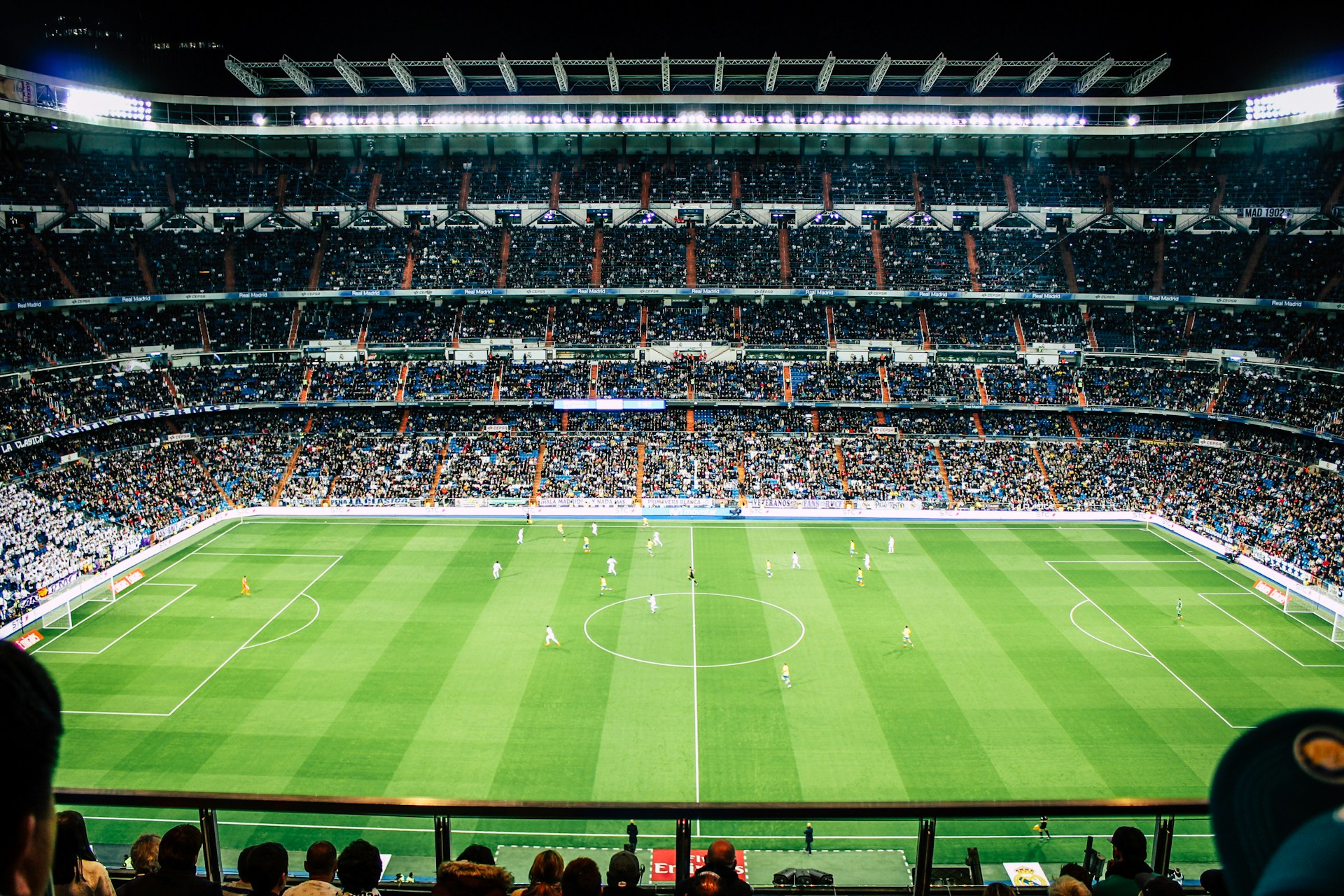
The FIFA World Cup is headed to North America, with the United States hosting the lion's share of the action (roughly 75% of all matches) alongside co-hosts Mexico and Canada. From June 11 through July 19, cities like New York, Los Angeles, Dallas, Miami, Seattle, and more will be buzzing with international energy unlike anything most Americans have ever experienced. The food will be incredible. The atmosphere will be electric. The jerseys will be everywhere.
But here's the thing nobody in the travel brochures is talking about yet: getting to those games, specifically, navigating the airports that will serve as the gateway for millions of fans pouring into the country, is already shaping up to be one of the most chaotic travel experiences in recent American history. And we're not being dramatic. The people in charge of airport security are the ones saying it.
So before you start planning your match-day outfit and rehearsing your victory chants, let's talk about what's really happening at U.S. airports right now, and how you can stay one step ahead of the madness.
TSA Sounds the Alarm Ahead of World Cup 2026
The warning came straight from the top.
Ha Nguyen McNeill, the acting administrator of the Transportation Security Administration (TSA), appeared before Congress in late March and delivered a message that should be on every traveler's radar: the United States is heading into the World Cup in a state of serious crisis.
"This is a dire situation," McNeill told lawmakers. "We are facing a potential, perfect storm of severe staffing shortages and an influx of millions of passengers at our airports in less than 80 days."
Those are not words you want to hear from the person responsible for keeping airport security lines moving. And the numbers back up the concern in a significant way.
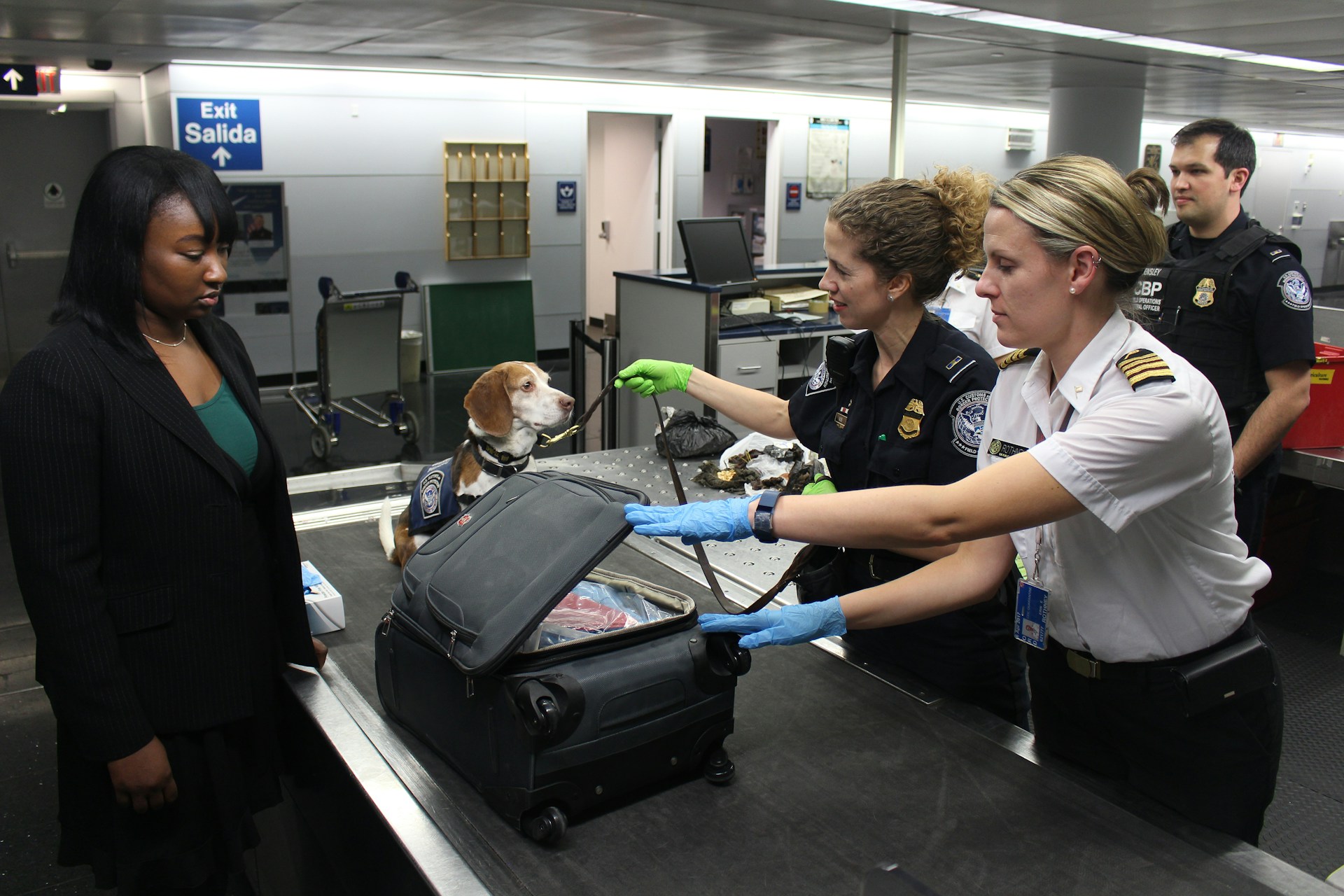
Since the partial shutdown of the Department of Homeland Security (the parent agency of the TSA) more than 480 airport security agents have left the agency. At some airports, agent absence rates have skyrocketed to over 40%. McNeill told Congress that travelers are already experiencing what she described as "the longest wait times in history" as a direct result.
The human toll on TSA workers has been staggering. McNeill painted a grim picture of an agency stretched to its breaking point, noting that by the time of her testimony, nearly one billion dollars in missed paychecks had accumulated across the workforce. Workers have missed bill payments, received eviction notices, had cars repossessed, lost childcare, and drained retirement savings. Some, she said, are sleeping in their cars, selling blood and plasma, and working second jobs just to survive.
"Many in our workforce have missed bill payments, received eviction notices, had their cars repossessed and utilities shut off, lost their childcare, defaulted on loans, damaged their credit line, and drained their retirement savings," McNeill stated bluntly.
The political backdrop makes a quick fix unlikely. Democrats in Congress have withheld additional funding for the DHS, tying the issue to concerns over immigration enforcement operations, specifically following the deaths of two U.S. citizens who were shot by federal agents during large-scale immigration raids in Minnesota in January. The shutdown, now in its third occurrence this fiscal year, has crippled the agency's ability to function at full capacity.
And here's the kicker that makes it a true "perfect storm" for World Cup travelers: even if Congress resolved the funding crisis tomorrow and the TSA began hiring aggressively, new security officers require four to six months to certify. The World Cup kicks off June 11. The math simply does not work.
FIFA estimates that between 6 and 6.5 million spectators will attend the 2026 World Cup. The U.S. tourism sector projects that more than 1.24 million international fans will travel to the country, and that's before counting the enormous number of American residents who will be flying domestically to attend matches in various host cities. The sheer volume of people funneling through already-strained airports is almost impossible to overstate.
McNeill acknowledged that the TSA is essentially in damage-control mode, saying, "If we see any spikes, we're going to have to pivot and assess how we are going to staff the FIFA locations adequately." Translation: they're going to be figuring it out as they go. For travelers, that means one thing: expect delays, expect long lines, and expect the unexpected.
Don't Add to the Chaos
Here's the honest truth: you cannot control what Congress does, you cannot hire TSA agents yourself, and you definitely cannot make the security line move faster by staring at it intensely. What you can control is how you arrive at the airport, and that decision alone can be the difference between a smooth, stress-free departure and a full-blown travel nightmare.
That's where OneStopParking comes in, and honestly, for World Cup travel, it might just be one of the smartest moves you make all summer.
OneStopParking isn't your average "find a parking spot" service. What they offer is a complete park-and-fly solution. You reserve parking at hotels located near your departure airport, and those hotels provide shuttle service directly to and from the terminal. It's a seamless, affordable, and (crucially for World Cup season) low-chaos way to start and end your trip.
Think about what airport parking during the World Cup is going to look like. On-site airport parking facilities, which are already expensive on a normal day, are going to be at an absolute premium. Demand will surge, prices will follow, and availability will be gobbled up by the time most casual travelers think to book. And that's just the parking situation, before you've even thought about the security line monster that's waiting inside.
By booking through OneStopParking, you sidestep several layers of that chaos entirely. You park at a nearby hotel (often at a fraction of the cost of on-airport parking) and hop on a hotel shuttle that drops you right at the terminal. No circling the garage. No paying premium surge prices for on-site spots. No lugging bags across a sprawling parking structure while already running late for an international flight.
The shuttle service aspect is particularly valuable during major events. When roads near airports get congested with surges of event-driven traffic (which they absolutely will during the World Cup), having a dedicated hotel shuttle means you're not white-knuckling it through gridlock in a rideshare that's charging three times the normal rate. You've already parked. You're already on the shuttle. You're already *ahead* of the chaos.
OneStopParking allows you to search, compare, and reserve your parking spot in advance, which means you're locking in your rate and your peace of mind long before the World Cup frenzy reaches its peak. In a summer where the TSA is sounding alarm bells, Congress is playing political football with airport security funding, and millions of soccer fans are all trying to get somewhere at once, advance planning isn't just smart, it's essential.
Visit OneStopParking.com to find parking options at hotels near your departure airport and book your shuttle-connected spot before the World Cup rush makes everything harder and more expensive. Your future self, standing calmly at the terminal with plenty of time to spare, will absolutely thank you.
The World Cup is coming. The airports are going to be chaos. Be the traveler who planned ahead.