Hundreds of passengers found themselves stranded on grounded planes, stuck in sweltering terminals, and watching their travel plans unravel, all because of a heatwave. Thunderstorms and scorching 30°C-plus temperatures across the UK and Europe caused more than 600 flights to be delayed at London's Heathrow and Gatwick airports alone, with some passengers sitting on planes for up to six hours without any communication from their airlines.
One traveller, 29-year-old Adam Joseph, was left stranded at Venice airport with no air conditioning after his Gatwick-bound flight was delayed by over four hours. "We could've stayed at the hotel for another three to four hours," he told BBC News. "People are very angry."
It's a frustrating situation, and one that raises a lot of questions for travelers. Why does hot weather even affect flying? Will you get your money back? And what happens to your car baking in a parking lot while you're stuck abroad?
Let's break it down.
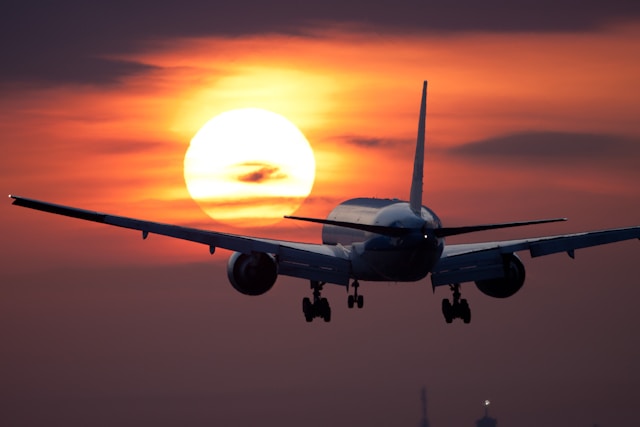
Why Does a Heatwave Affect Whether Planes Can Fly?
It might seem counterintuitive: clear skies, no rain, blazing sunshine. Surely that's perfect flying weather? Not exactly.
Extreme heat affects aviation in several important ways:
Air Density
Hot air is thinner than cool air. Planes generate lift by moving through air, so when air density drops in high temperatures, aircraft need a longer runway to take off and may need to carry less weight to do so safely. In extreme cases, flights can be delayed or cancelled altogether until temperatures drop.
Engine Performance
Aircraft engines are designed to operate within specific temperature ranges. In extreme heat, they work harder and less efficiently, which can create operational limitations for certain aircraft types.
Ground Infrastructure
Runways, taxiways, and even the tarmac itself can be affected by extreme heat, in some cases literally softening or buckling under prolonged high temperatures. Ground crew working conditions are also a safety consideration.
The Thunderstorm Factor
As we saw across London and Europe during this latest heatwave, extreme heat often builds into violent thunderstorms. Air traffic control has to reroute or ground flights to avoid severe weather systems, causing a knock-on effect of cascading delays across entire networks. The UK's air traffic control service, NATS, confirmed disruption was "expected to continue through the rest of the day" due to "forecast severe weather across the south-east of England", a direct result of that heat buildup.
The result? Even if your specific departure point has clear skies, a disruption hundreds of miles away can still ground your flight.
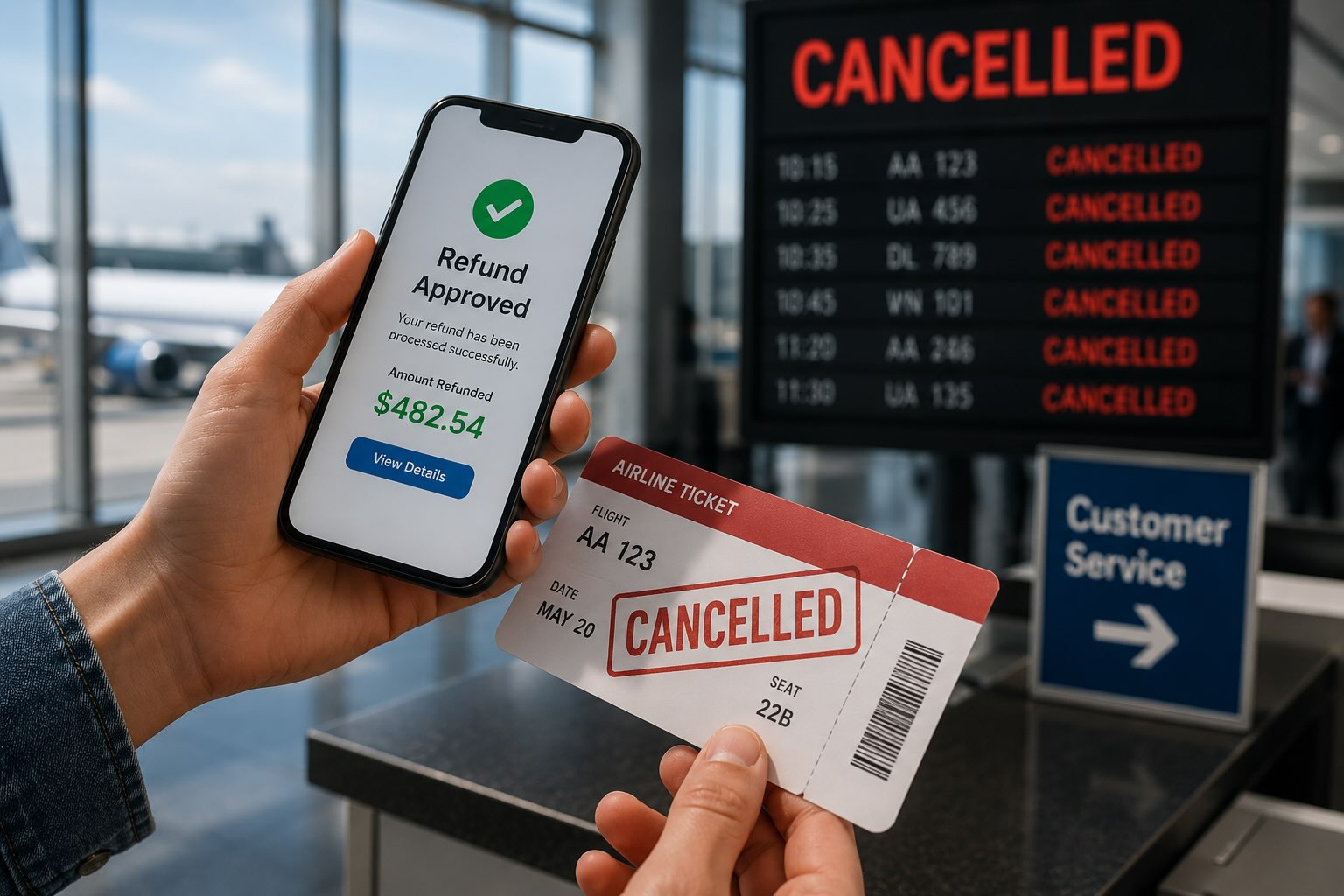
Will You Get a Refund if Your Flight Is Cancelled Due to Weather?
This is where things get complicated, and honestly, a little frustrating for travelers.
The short answer: it depends.
Flight Cancellations
If your flight is cancelled, regardless of the reason, you are generally entitled to a full refund or rebooking under both UK/EU regulations (EC261/2004) and US Department of Transportation rules. Weather is not an excuse to deny you a refund on a cancelled flight. EasyJet, for example, confirmed they were "notifying passengers in advance with their options to rebook or receive a refund" during the recent disruptions.
Flight Delays
This is trickier. Under UK and EU rules, you may be entitled to compensation for delays of three hours or more, but here's the catch: airlines can claim an "extraordinary circumstances" exemption for weather-related disruptions, meaning they may not owe you the standard €250–€600 compensation on top of your refund.
Adam Joseph experienced this firsthand, being told that despite a four-hour delay caused by air traffic control restrictions, he would "not be entitled to compensation."
What You Should Do:
- Keep all receipts for meals, drinks, and accommodation during a significant delay — you may be able to claim these costs back
- Check your travel insurance — many policies cover weather-related disruption, even when the airline won't pay compensation
- Don't accept vouchers without reading the terms — you're typically entitled to a cash refund if you want one
- Submit a claim anyway— airlines sometimes reject claims, hoping passengers won't push back. Use a service like CEDR or the Civil Aviation Authority if needed
How to Protect Your Car During a Summer Heatwave
While you're dealing with delays and rebooking nightmares, your car is sitting in a parking lot, often completely exposed to the same brutal sun that caused the chaos in the first place. Here's how to give it the best chance of surviving the heat while you're away.
- Check Your Tyre Pressure Before You Leave
Heat causes air to expand, which means your tyre pressure will rise in hot weather. Check and adjust your tyre pressure before parking for an extended period to avoid uneven wear — or worse, a blowout on the drive home.
- Leave Your Handbrake Off (Use Wheel Chocks or Leave in Gear)
In extreme heat, brake pads can fuse to rotors if the handbrake is left on for extended periods. On flat surfaces, consider leaving the car in gear instead.
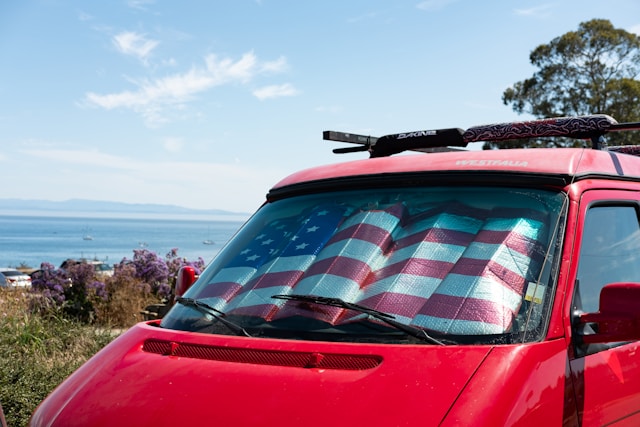
- Use a Windshield Sunshade
A reflective sunshade can reduce the interior temperature of your car by up to 15–20°C. That's better for your dashboard, your steering wheel, and your seats, especially leather ones which can crack under prolonged sun exposure.
- Protect Your Dashboard and Interior
UV rays can fade and crack dashboards and upholstery over time. A simple sunshade or tinted window film goes a long way.
- Check Your Coolant and Fluids Before You Travel
If your car is sitting in direct heat for days and then has to work hard on a motorway home, you want your coolant topped up and in good condition. A quick check before you leave could save you a breakdown on the way back.
- Choose the Right Parking
Here's the thing: all of the above tips help, but nothing protects your car during a heatwave better than keeping it out of direct sunlight in the first place.
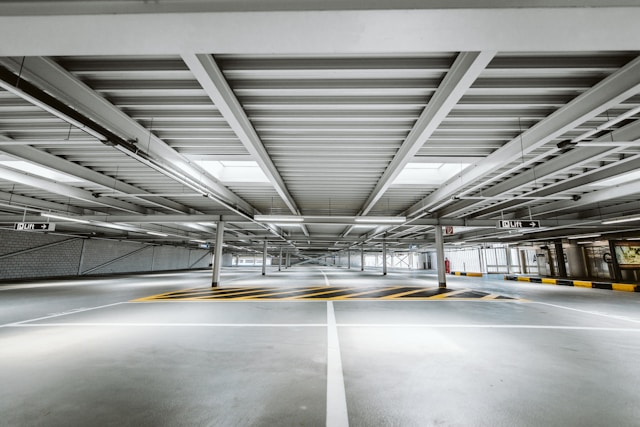
That's Where OneStopParking Comes In
When you book through OneStopParking, you'll find a wide range of parking facilities that include covered garages and shaded parking options near airports, the smartest choice when temperatures are soaring. Instead of leaving your car baking in an open-air lot for a week, you can book a covered spot that:
- Keeps your interior cool and protected from UV damage
- Reduces strain on your battery and fluids in extreme temperatures
- Means you're not climbing into a car that feels like an oven when you land back home
With airports across the USA and Canada covered, finding affordable off-site parking with the right facilities for your needs is simple. Just search your airport, compare options, and look for garage or covered facilities when you filter your results.
Facing Delays? Your OneStopParking Booking Has You Covered
If the chaos described in this article has taught us anything, it's that travel rarely goes exactly to plan. A six-hour delay, a last-minute cancellation, a flight rescheduled to the following day, these things happen, and when they do, the last thing you want is to be scrambling to sort out your parking on top of everything else.
Here's the good news: OneStopParking makes it easy to adjust, extend, or cancel your booking, so no matter what's happening at the airport, your parking situation stays stress-free.
Free Cancellation — No Hassle, No Hidden Fees
Life happens. If your plans change, you can cancel your reservation for a full refund at any time up to and including your scheduled arrival date and time. No phone queues, no awkward conversations, just a straightforward cancellation, your money back, and one less thing to worry about.
You can cancel in just a few ways:
- Online — log into your account using the email you booked with
- Request form — quick and easy, no account needed
- Email — drop us a line at [email protected]
Just make sure to cancel before your scheduled arrival time to qualify for your full refund. Simple.
Need to Extend Your Stay? Easy.
Stuck abroad longer than expected? It happens more than you'd think, especially during periods of widespread disruption like the heatwave delays we've seen across Europe.
You can modify any reservation that hasn't yet ended directly through your account or at onestopparking.com/update-reservation. If you're extending your stay, you'll simply be charged the current daily rate with no surcharges or penalty fees. Just add the extra days and you're good to go, your spot is sorted while you focus on getting home.
And don't stress if your flight lands a little earlier or later than planned. We offer a 3-hour grace period before and after your reservation times, so small timing changes won't catch you off guard. If you're running outside of that window, just shoot us an email at [email protected] and we'll adjust your reservation and notify the parking facility — no towing risks, no nasty surprises.
For Ultimate Peace of Mind — Trip Protection
If you really want to travel without that nagging "what if" in the back of your mind, Trip Protection is the smartest $2.99 you'll ever spend.
For just $2.99 added at the time of booking, you're covered for a full refund up to 24 hours after your drop-off date — no questions asked. So even if your flight gets cancelled the morning you're meant to fly out, or you find yourself stranded like the hundreds of passengers caught up in the recent UK airport disruptions, you're not losing your parking booking on top of everything else.
It's a tiny price tag for a whole lot of peace of mind.
⚠️ Trip Protection can only be added at the time of booking, so don't forget to tick that box before you check out — you can't add it after the reservation has been made.
Between flexible cancellations, easy extensions, a built-in grace period, and optional Trip Protection, OneStopParking is built for real travel, the kind where things don't always go smoothly. Book with confidence, adjust if you need to, and focus on your trip rather than your parking spot.
--
Heatwaves and summer storms are increasingly disrupting air travel, and unfortunately, that's a trend that's not going away. The best thing you can do as a traveler is stay informed about your rights, keep your paperwork, and plan ahead where you can.
And when it comes to your car? Park smart. A covered spot booked through OneStopParking is one less thing to worry about, before, during, and after the chaos.