Fifty days. That's all that stands between us and the biggest sporting event North America has ever hosted. The FIFA World Cup 2026, spread across sixteen cities in three countries, featuring a record-breaking 48 teams and 104 matches. It is barreling toward us at full speed, and the excitement is absolutely real. Flags are going up. Brackets are being debated. Jerseys are being ordered in sizes that fit with varying degrees of optimism.
But underneath the buzz, a slightly different conversation is happening. One that involves words like "outrageous," "inaccessible," and "how much?!" Because while the soccer itself promises to be spectacular, the practical experience of actually attending (or even just traveling during) the World Cup 2026 is shaping up to be one of the most expensive and logistically challenging travel propositions in recent memory.
With fifty days on the clock, let's talk honestly about the three biggest concerns facing fans and travelers heading into this summer, and then, because we believe in ending on a high note, we'll tell you about one genuinely smart way to keep at least some money in your pocket.
Concern #1: Getting to the Stadium Might Cost More Than Your Flight
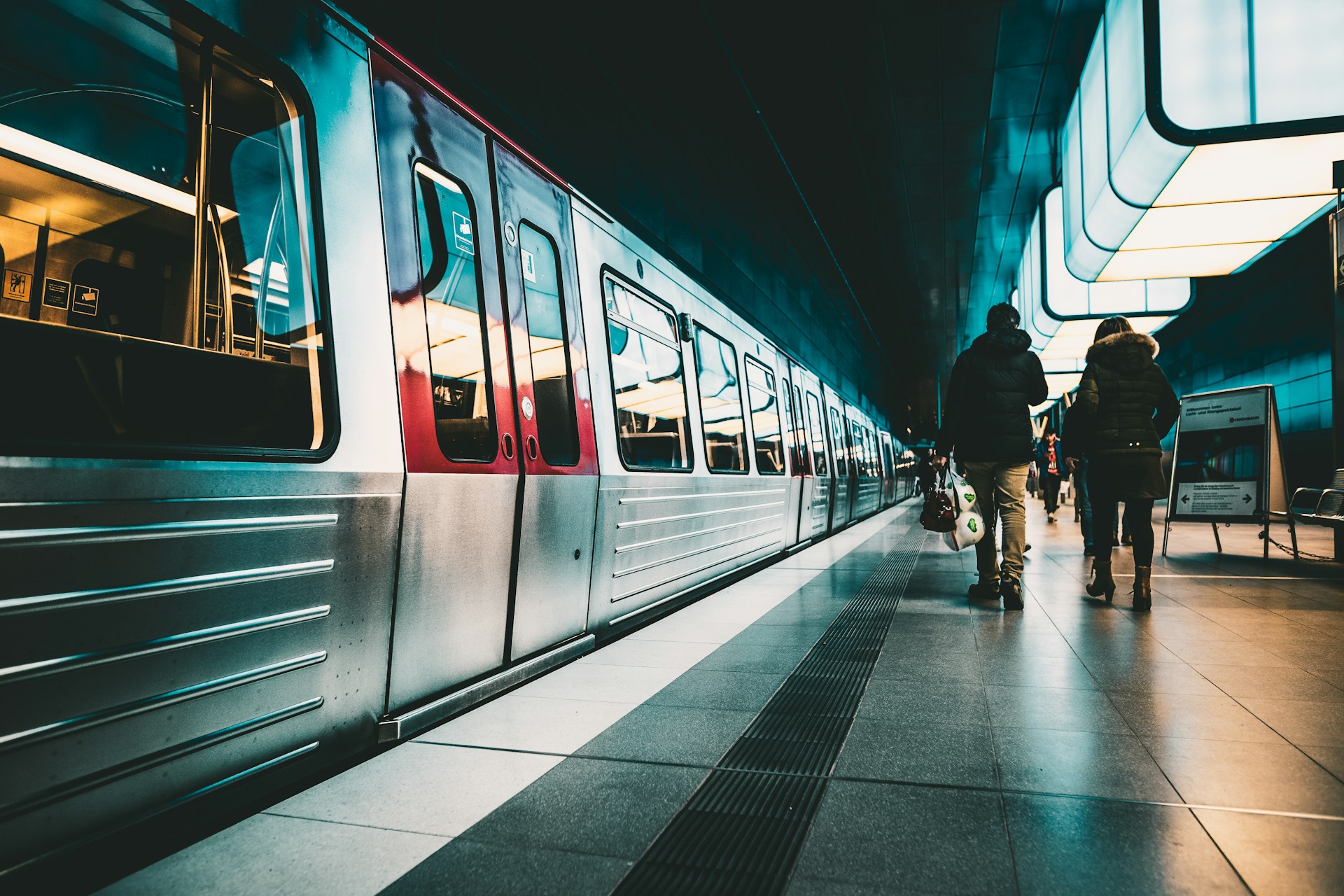
There is a moment in every major sporting event's organizational timeline where something quietly absurd happens, and most people only notice it when it's too late to change. For World Cup 2026, that moment appears to have arrived in the form of transit fares, specifically, what fans in certain host cities will be expected to pay just to get from their hotel or city center to the stadium on match day.
Let's start in New York, because the numbers there are quite staggering. Fans planning to attend matches at MetLife Stadium in East Rutherford, New Jersey, which is hosting the World Cup Final along with seven other major fixtures, making it the most important venue in the entire tournament, will be looking at a round-trip train fare from Penn Station that is nearly twelve times the standard price. The regular fare for that roughly fifteen-minute, nine-mile journey sits around $12.90. The World Cup price? $150.
To put that in perspective: you can travel across multiple states by train for less than it will cost to get to a stadium that is technically in a neighboring town.
The price tag has sparked a very public disagreement between New Jersey's Governor and FIFA itself, with each side essentially pointing at the other and saying "you pay for it." Neither appears to be backing down, which means fans are the ones caught in the middle, and in the wallet.
The situation varies considerably depending on which host city you're traveling to. Boston-area fans heading to Gillette Stadium are looking at train prices roughly four times the normal rate, with round-trip bus fares running close to a hundred dollars.
Other cities have taken a more fan-friendly approach: Los Angeles and Philadelphia have committed to holding their transit fares steady, Kansas City is offering a reasonable $15 round-trip to Arrowhead Stadium, and Houston has actually expanded its transit capacity while keeping bus and light rail fares at their standard rates, some of the lowest in any host city.
The inconsistency across host cities is part of what makes planning so frustrating for fans trying to budget their World Cup experience. The cost of simply moving around during the tournament varies wildly depending on which matches you're attending, and in some cities, getting to the game is a significant expense on top of everything else.

Concern #2: The Tickets Themselves Are a Different Kind of Painful
If the transit fares represent the cost of getting to the game, let's talk about the cost of getting into it, because the ticket pricing situation for World Cup 2026 has been one of the most contentious topics in soccer fan communities since sales began.
When North America was awarded the hosting rights for this tournament, one of the promises attached to the bid was genuine accessibility. Affordable tickets. A World Cup that felt like it was for fans, not just for corporations and the very wealthy. The original language suggested tickets could be available for as little as $21.
The reality has been somewhat different.
When FIFA opened ticket sales, the cheapest available tickets came in at $60, nearly three times the figure that had been floated during the bidding process. And $60 is very much the floor, not the norm. Most tickets for matches involving competitive, highly-ranked teams are priced at $200 or more, with category one seats for blockbuster fixtures running into the thousands. The top-tier tickets for the Final? Nearly $11,000. Per person.
The market has responded to these prices in a way that should be informative for FIFA. Several high-profile matches, including a fixture between the host nation United States and Paraguay, have seen sluggish ticket sales, suggesting that at least some fans are simply priced out of attending matches they were genuinely excited about. That's a notable outcome for a tournament that was supposed to capture the hearts of a whole new generation of North American soccer fans.
FIFA has since announced additional rounds of ticket sales, including a new release timed to coincide with the fifty-day countdown, offering seats across all three price categories for all 104 matches on a first-come, first-served basis. Whether the additional availability translates to more fans in seats, or simply more expensive seats sitting empty in premium categories, remains to be seen.
For the average fan who has already spent significantly on travel, accommodation, and now transit, the ticket prices represent a genuine barrier to participation. The World Cup is supposed to be a celebration of the global game. Right now, for many fans, the spreadsheet is making it feel more like a financial stress test.
Concern #3: The Airports Are Already Struggling, And The World Cup Will Make It Worse
Even if you've sorted your tickets and budgeted for the eye-watering transit fares, you still have to get to the host city first. And for the majority of international fans, and a significant number of domestic travelers, that means flying. Which means airports. Which means the TSA.
And right now, the TSA is not in a good place.
The acting administrator of the Transportation Security Administration appeared before Congress earlier this year and used the phrase "perfect storm" to describe what's coming. Severe staffing shortages, a workforce that has been financially devastated by the ongoing partial government shutdown, and an incoming wave of millions of additional travelers, all converging in the same short window between June and July.
The numbers behind the concern are stark. Hundreds of security agents have left the agency since the partial shutdown of the Department of Homeland Security began. At some of the nation's busiest airports, the absence rate among TSA staff has climbed to over 40%. And critically, even if the funding situation were resolved tomorrow and a mass hiring campaign began immediately, the certification process for new security officers takes between four and six months, meaning no amount of political goodwill can produce trained agents in time for the World Cup.
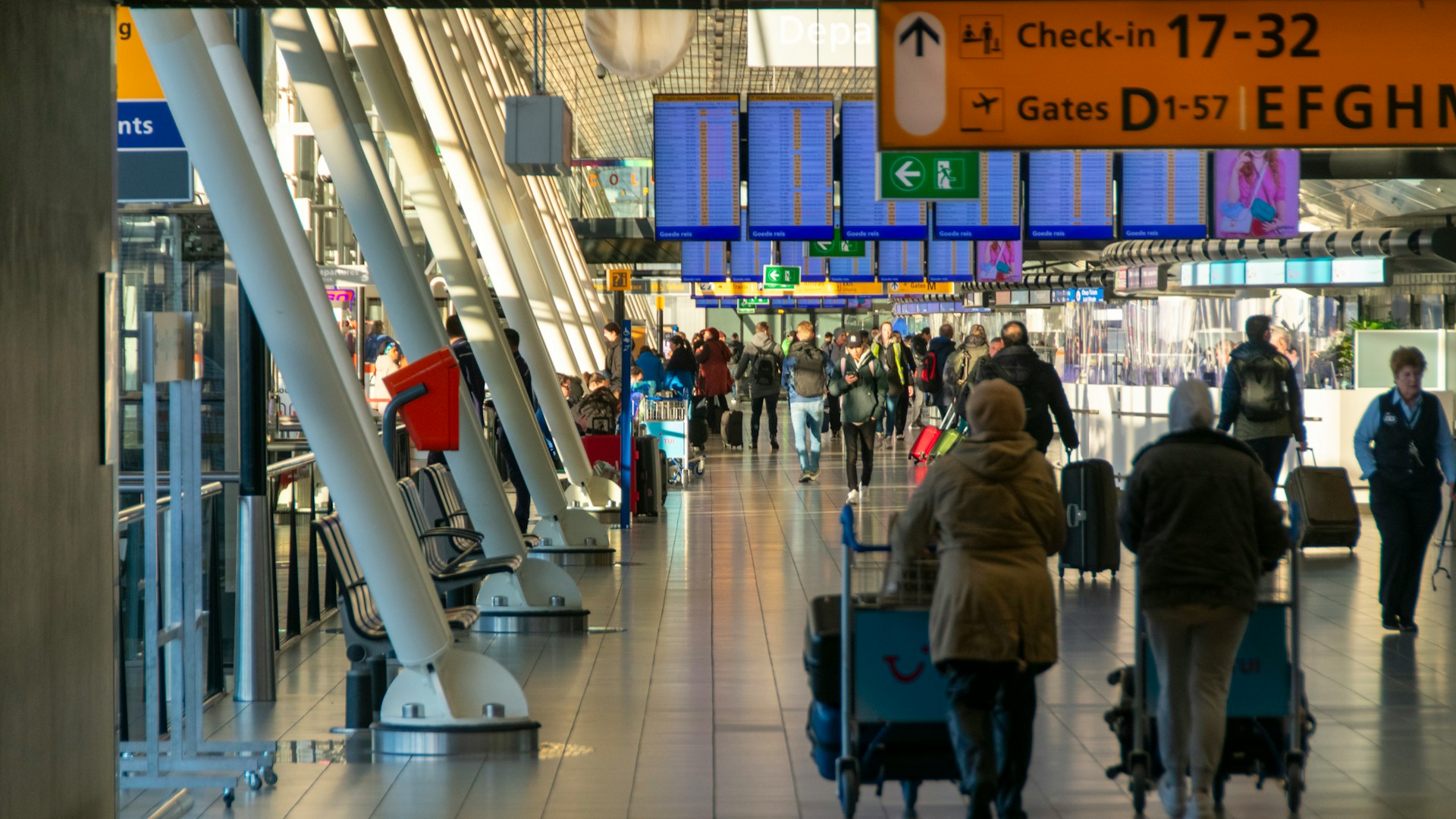
The result, for travelers, is likely to be extended security wait times at major airports, particularly at the hub airports serving World Cup host cities like New York, Los Angeles, Dallas, Miami, and Boston. During a period when those airports will already be handling dramatically elevated passenger volumes from international fans arriving from every corner of the globe, the combination of reduced staffing and surging demand is a recipe for the kind of queues that turn a manageable travel day into an exhausting ordeal.
If you're flying to or from a host city during the World Cup window, building significant extra time into your airport experience isn't just a good idea. It's essentially mandatory.
The Light at the End of the Tunnel: Smarter Airport Parking With OneStopParking
Okay. Deep breath. We've covered three legitimately stressful aspects of the World Cup 2026 travel experience, and we don't want to leave you staring into the abyss. Because there is good news, and it comes in the form of one corner of your World Cup travel budget where you genuinely don't have to overpay.
Airport parking.
While FIFA sets ticket prices and transit authorities debate fare structures and the TSA navigates its staffing crisis, OneStopParking is doing something refreshingly straightforward: offering affordable, convenient, pre-bookable airport parking at hotels near your departure airport , complete with shuttle service directly to and from the terminal.
Here's how it works, and why it's particularly smart for World Cup travel.
The Park and Fly Experience
When you book through OneStopParking, you're not just reserving a space in a generic surface lot. You're booking parking at a hotel located close to your departure airport, and that hotel provides a shuttle that takes you to the terminal and picks you up on your return. The whole experience is designed to be seamless, affordable, and stress-free from start to finish.
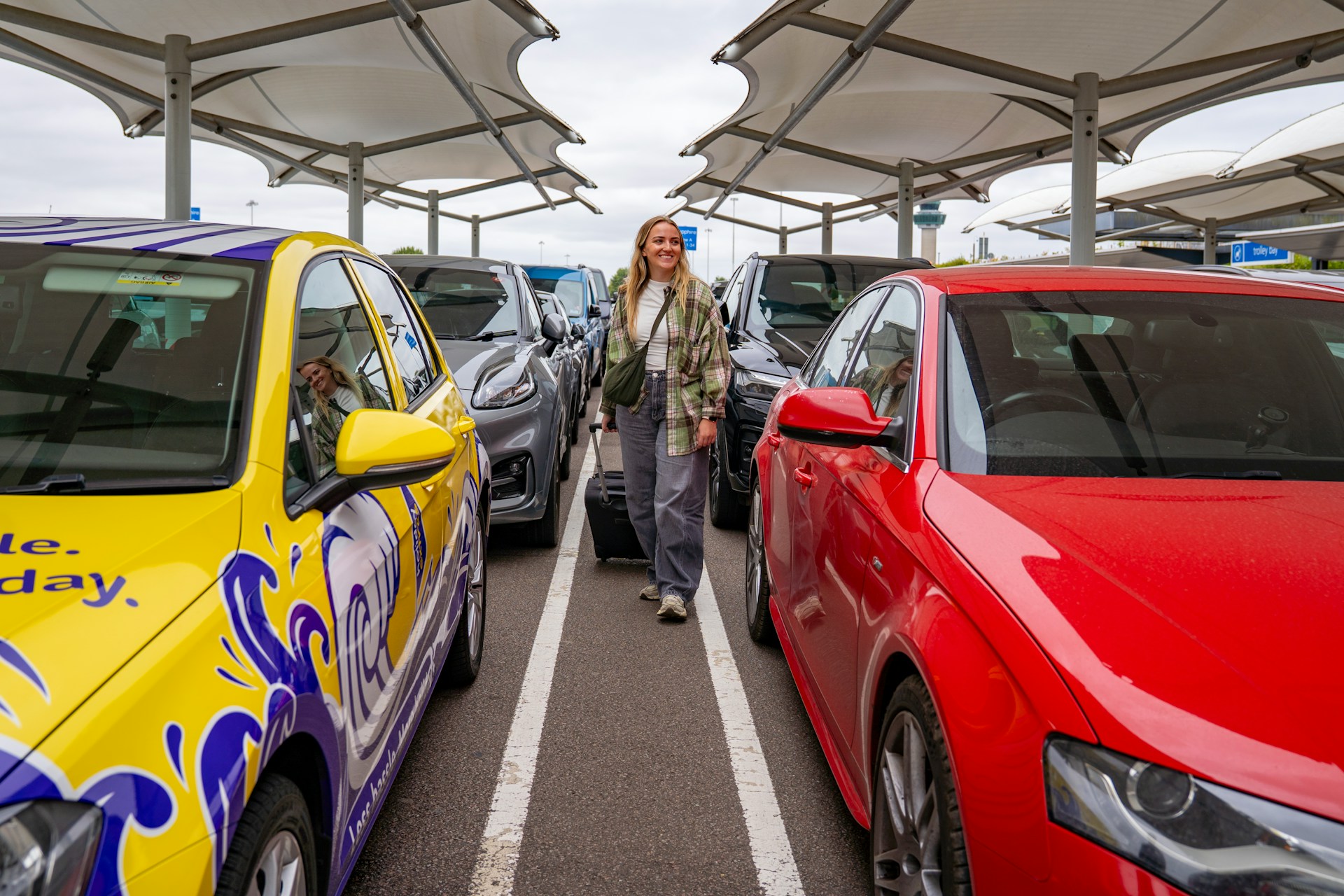
You drive to the hotel, drop your car in a secure parking facility, grab the shuttle, and arrive at the terminal without having wrestled with airport parking structures, surge-priced on-site lots, or the particular misery of circling a crowded garage while your departure time ticks closer. For World Cup travel, when airports are going to be operating at or beyond capacity, shaving unnecessary stress off your pre-flight experience isn't a luxury, it's a survival strategy.
The savings compared to on-airport parking are real and meaningful. During a summer when you've potentially already spent hundreds on transit fares and thousands on match tickets, paying a fraction of what the airport's own parking facility charges is a genuine win. And with rates that vary by location and property, you have the flexibility to find an option that suits both your budget and your schedule.
The Park, Stay, and Fly Option
For travelers flying out early in the morning or arriving late the night before a long international journey, OneStopParking also offers a Park, Stay, and Fly option at participating hotel properties. This means you can check in the night before your flight, enjoy a proper night's sleep in a comfortable hotel room rather than a 4am alarm from your own home, and walk directly onto the hotel shuttle to the airport the next morning. Your car stays safely parked for the duration of your trip, and when you return from the World Cup, exhausted, hoarse, and filled with memories, your car is right there waiting for you.
Book Early: This Is Not a Summer to Wing It
One final and important note: World Cup 2026 is going to be one of the busiest travel summers North America has seen in a generation. The best parking spots near major hub airports, at the best daily rates, will be claimed early. OneStopParking allows you to lock in your rate well in advance, which means you're protected from last-minute price surges and guaranteed a spot when you need it.
In a summer full of expensive surprises, booking your airport parking early through OneStopParking is one of the few decisions that puts money back in your pocket rather than taking it out.
Visit OneStopParking.com to search for parking options near your departure airport, compare rates and shuttle schedules, and lock in your spot before the World Cup rush makes everything harder and more expensive.