The headlines over the past few days have been nothing short of staggering for anyone with a boarding pass in their pocket. The Middle East is represents around 10% of global air traffic and is a major hub for European-Asian flights. More than 13,000 flights have been unceremoniously wiped from the schedules in just a few days, leaving hundreds of thousands of travelers stranded in foreign terminals, often thousands of miles from home.
Being stranded in your home city is a headache; being stranded in a foreign country where you may not speak the language, understand the local transit, or have a valid visa to leave the airport is a genuine crisis. When the "Canceled" text hits the departure board and the gate agent disappears behind a locked door, it is easy to succumb to panic. However, surviving an international travel disruption is all about logic, logistics, and knowing exactly which buttons to press to get yourself back on track.
If you find yourself among the thousands currently caught in this "ground stop," here is the step-by-step blueprint to navigating the chaos and ensuring that a travel delay doesn’t turn into a total disaster.
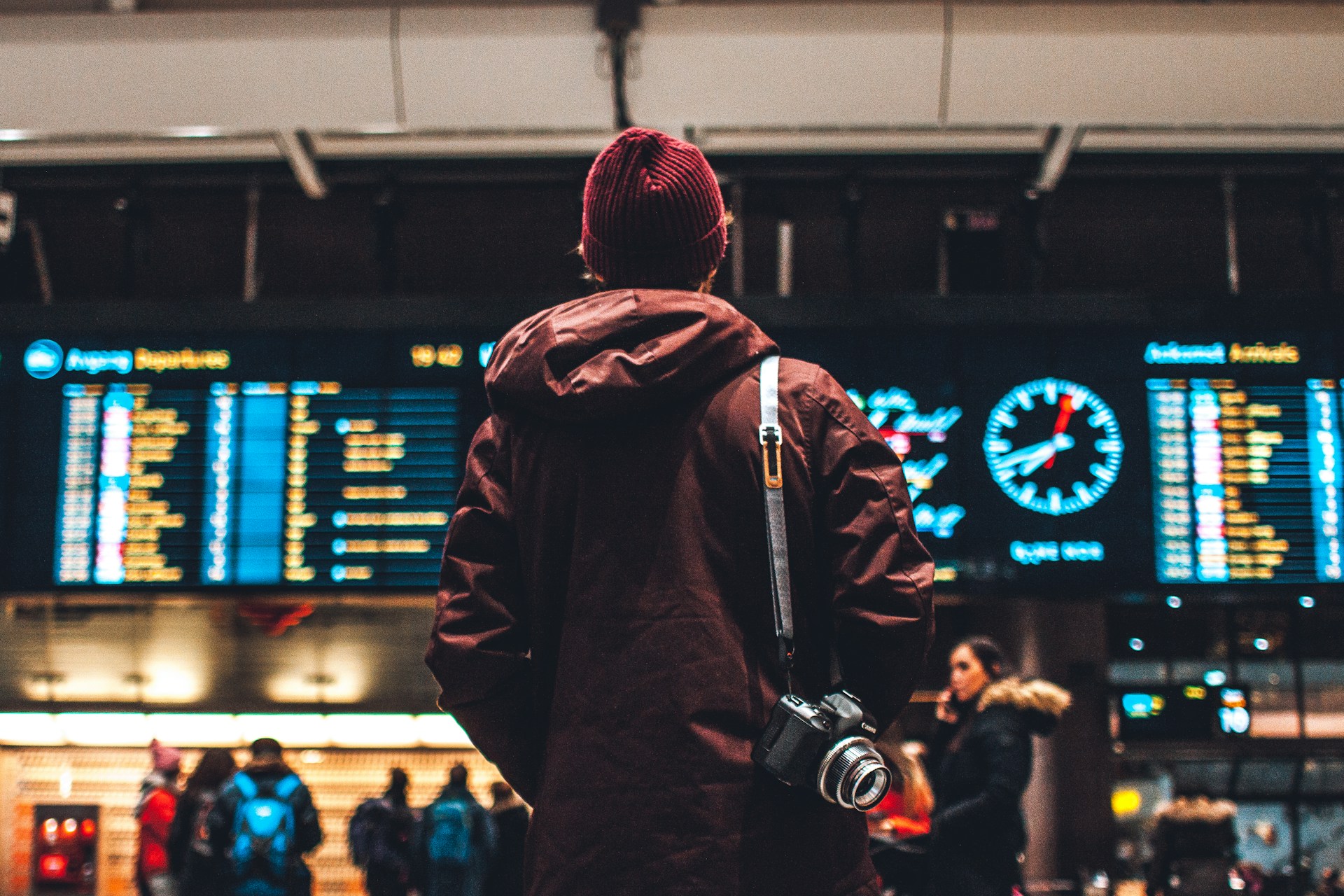
Don’t Just Stand in Line
The moment your flight is canceled, the natural human instinct is to join the massive queue forming at the customer service desk. While you should certainly get in that line, do not let it be your only move. In a situation where thousands of flights are down, the agents at the desk are overwhelmed and likely have less information than you do.
Instead, execute a "multi-channel" approach. While standing in line, get on your phone. Open the airline’s mobile app because many carriers now have automated rebooking tools that allow you to snag a seat on the next available flight before the person at the front of the physical line even reaches the counter.
Simultaneously, try calling the airline’s international customer service numbers. A pro-tip often used by frequent flyers is to call the airline’s office in a different country (for example, if you are stuck in London flying a US carrier, try calling their Singapore or German help desk). These agents often have shorter wait times and the same power to rebook your ticket.
Know Your "Duty of Care" Rights
When you are stranded abroad, the laws of the country you are in (or the country your airline is based in) dictate what you are entitled to. If you are flying within or out of the European Union or the United Kingdom, you are protected by a regulation known as EC 261 (or UK 261). This is arguably the most passenger-friendly law in the world.
Under these rules, if your flight is delayed or canceled, the airline has a "Duty of Care." This means they must provide you with food and drink vouchers, as well as hotel accommodations if you are stranded overnight, regardless of whether the delay was caused by weather or a technical glitch. If the disruption was within the airline’s control (like a mechanical failure), you may also be entitled to cash compensation ranging from 250 USD to 600 USD per person.
In the United States and Canada, the rules are slightly different and often less "automatic," but the principle remains: do not leave the airport until you have asked for a hotel voucher. If the airline refuses, keep every single receipt for your "reasonable" expenses (bottled water, meals, and a modest hotel room) as you will need these to file a claim with the airline or your travel insurance provider later.
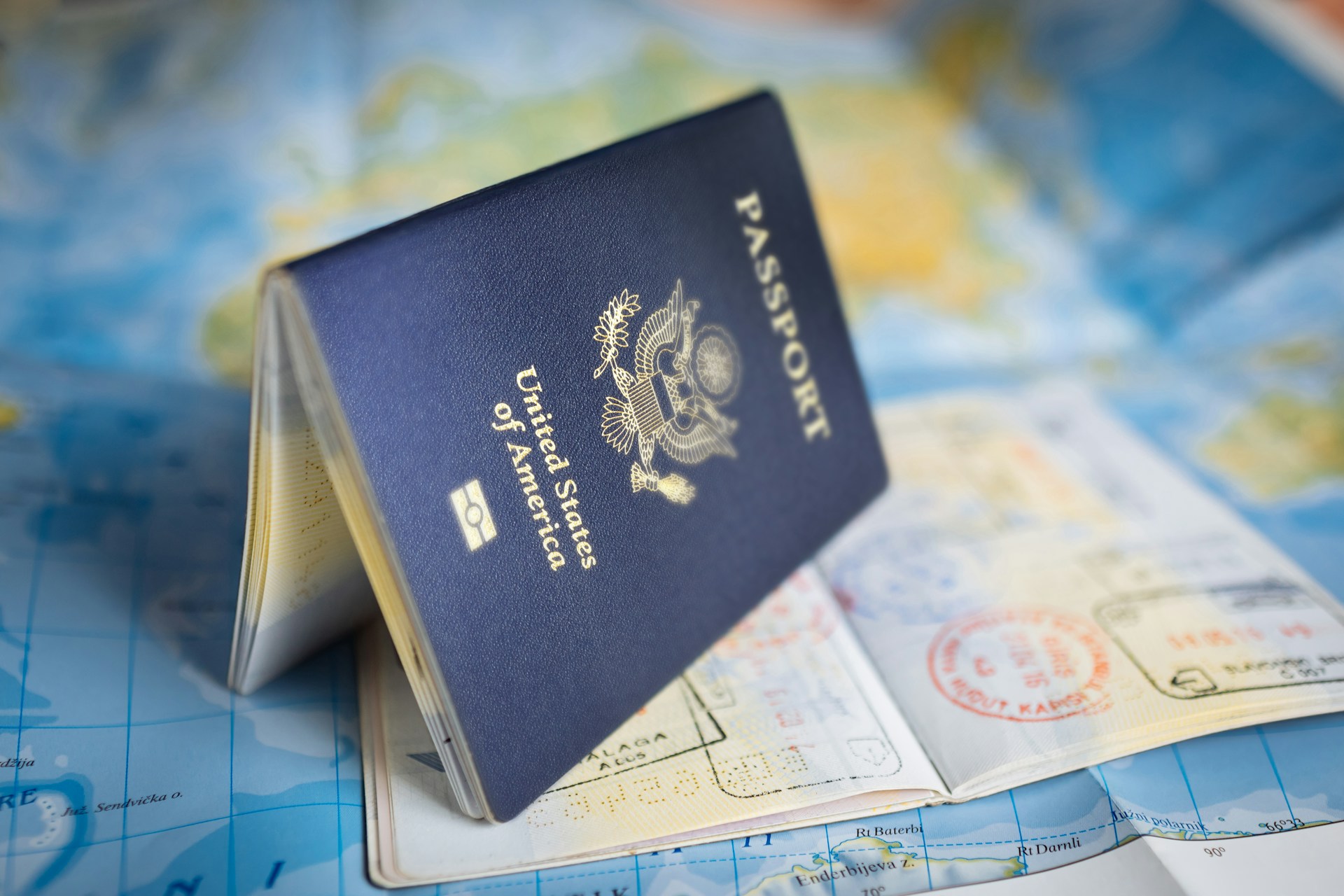
The Visa and Passport Check
One of the most complicated aspects of being stranded in a foreign country is the legal right to stay there. If you were only supposed to be in a country for a two-hour layover, you might not have a visa that allows you to "enter" the country to go to a hotel.
Before you walk through immigration to find a bed, speak with an airport official or an airline representative. In many cases, if a flight is canceled, border agents can issue a "shore pass" or a temporary 24-hour entry permit for stranded passengers. If you leave the "airside" part of the terminal without the proper stamp, you could find yourself in a very difficult legal situation when you try to return for your new flight.
If you cannot leave the airport, start scouting for "Transit Hotels" (hotels located inside the secure area of the terminal) early, as these fill up within minutes of a mass cancellation.
Communication and Documentation
Once you have a plan for your next flight and a place to sleep, it is time to manage the ripple effects of your delay. Document everything. Take photos of the departure board showing your canceled flight, save every text message from the airline, and ask the gate agent for a "Military Letter" or a formal "Statement of Delay." This document is vital for insurance claims and for proving to your employer that you aren't just taking an unannounced vacation extension.
You should also notify your next destination. If you had a hotel booked in your home city or a car rental waiting for you, call them immediately. Most businesses are sympathetic to "Acts of God" in travel, but if you simply don't show up, they will mark you as a "No-Show" and charge you the full amount.

Managing the Logistics Back Home
One of the most overlooked stressors of being stranded abroad is the "forgotten" logistics back home, most notably, your car. If you are stuck for an extra three days, but your car is parked in an airport lot in the USA or Canada, you might be worried about overstaying your reservation, facing massive penalty fees, or even the fear of your vehicle being towed.
If you booked your parking through OneStopParking, this is one area where you can breathe a sigh of relief. OneStopParking is designed with the reality of travel disruptions in mind. If you find that your 13,000-flight-deep meltdown is going to keep you away for a few extra days, you don't need to panic or make a dozen phone calls.
According to the OneStopParking terms and conditions, you have the ability to manage your booking through your online account. The "Self-Service" aspect of the platform allows you to extend your stay to match your new arrival time.
Steps for Extending Your Stay Abroad:
- Log into your account on the OneStopParking website.
- Locate your current active reservation.
- Select the option to extend your dates.
- Pay the additional daily rate (which will still be at the discounted OSP price, rather than the "drive-up" terminal rate).
By extending your booking officially, you ensure that the parking lot staff is notified that your car is supposed to be there. This prevents "abandoned vehicle" protocols and ensures that you won't be hit with a massive, unexpected "rack rate" bill when you finally make it back to the lot. In a world of travel chaos, having this level of control over your home-base logistics is a massive mental win.
Mental Health and the "Long Game"
Finally, remember that being stranded is a test of endurance. Airports are high-stress environments, and when flights go down, tempers flare. Stay hydrated, try to eat a real meal rather than just airport snacks, and be kind to the staff. The gate agent didn't cancel your flight, and they are much more likely to help the polite passenger than the one shouting about their "status" level.
Disruptions of this scale are rare, but they are part of the modern travel landscape. By staying informed, knowing your rights, and utilizing tools like OneStopParking to manage your logistics from afar, you can turn a stranded nightmare into a manageable (if annoying) situation.
Safe travels, and may your next boarding call be the real deal!
View OneStopParking's full terms and extension policies here.