Table of Contents
Ever felt like your body's internal clock got tossed into a blender? That's jet lag for you! As fellow frequent flyer who's crossed more time zones than we can count, we can tell you that jet lag is more than just feeling tired. It's your body's natural response when your internal clock gets thrown off sync with your new destination's time.
Think of your body as a finely-tuned instrument that's been playing in New York, and suddenly you're asking it to perform in Tokyo. Your internal rhythm – controlling everything from hunger to sleep – gets completely confused. The more time zones you cross, the more intense this temporal tug-of-war becomes.
Our bodies operate on a 24-hour cycle called the circadian rhythm, which regulates sleep, hunger, and even body temperature. When we rapidly cross time zones, this delicate system gets disrupted, leading to what scientists call "circadian dysrhythmia" – but we travelers know it simply as jet lag.

Jet Lag Symptoms
The jet lag experience hits everyone differently, but here's what you might encounter on your journey. Your sleep schedule might feel like it's been put through a washing machine – wide awake at 3 AM and dozing off during lunch. Your stomach might rebel against meal times, and your brain might feel like it's wrapped in cotton wool. Your body might also throw some curveballs like headaches, mood swings, and even digestive issues. It's like your entire system is throwing a tiny protest at being whisked across the globe! Some travelers report feeling dizzy, while others experience unusual hunger patterns or complete loss of appetite. Common symptoms also include difficulty concentrating, memory problems, and even mild anxiety. These effects tend to be worse when traveling eastward, as our bodies find it harder to adjust to a shorter day than a longer one.
Smart Strategies to Beat the Time Zone Blues
Embrace the Art of In-Flight Snoozing
Transform your flight into a cozy sleep pod. Pack an eye mask, noise-canceling headphones, and maybe even your favorite travel pillow. Getting some quality shut-eye while flying can be a game-changer. I always pack a comfort kit: compression socks to prevent swelling, a soft blanket, and lavender essential oil for its calming properties. Create a bedtime routine similar to what you'd do at home. Change into comfortable clothes, avoid the temptation of binge-watching movies, and try some gentle stretches in your seat before attempting sleep. If you're on a long-haul flight, try to sleep when it's nighttime at your destination.Sync Up With Your Destination
The moment you land, live like a local. If it's daytime, soak up some sunshine. Natural light is your best ally in resetting your body clock. Take a walk outside, even if you're tired. The combination of light exercise and sunlight helps your body understand it's time to be awake. Start adjusting your schedule a few days before your trip. If you're heading east, try going to bed an hour earlier each night. Going west? Stay up a bit later. This gradual adjustment can significantly reduce jet lag's impact. There are even travel apps like Timeshifter to help you plan this efficiently.Take It Easy, Road Warrior
Your first few days aren't the time to tackle every tourist spot in town. Keep your schedule light and flexible. I learned this lesson the hard way after planning a packed first day in Tokyo and nearly falling asleep in my sushi! Plan relaxing activities for your first day or two. Perhaps a leisurely walk through a park, a spa visit, or some light shopping. Save the intense hiking or museum marathons for when your body has adjusted.
Skip the Sky-High Spirits
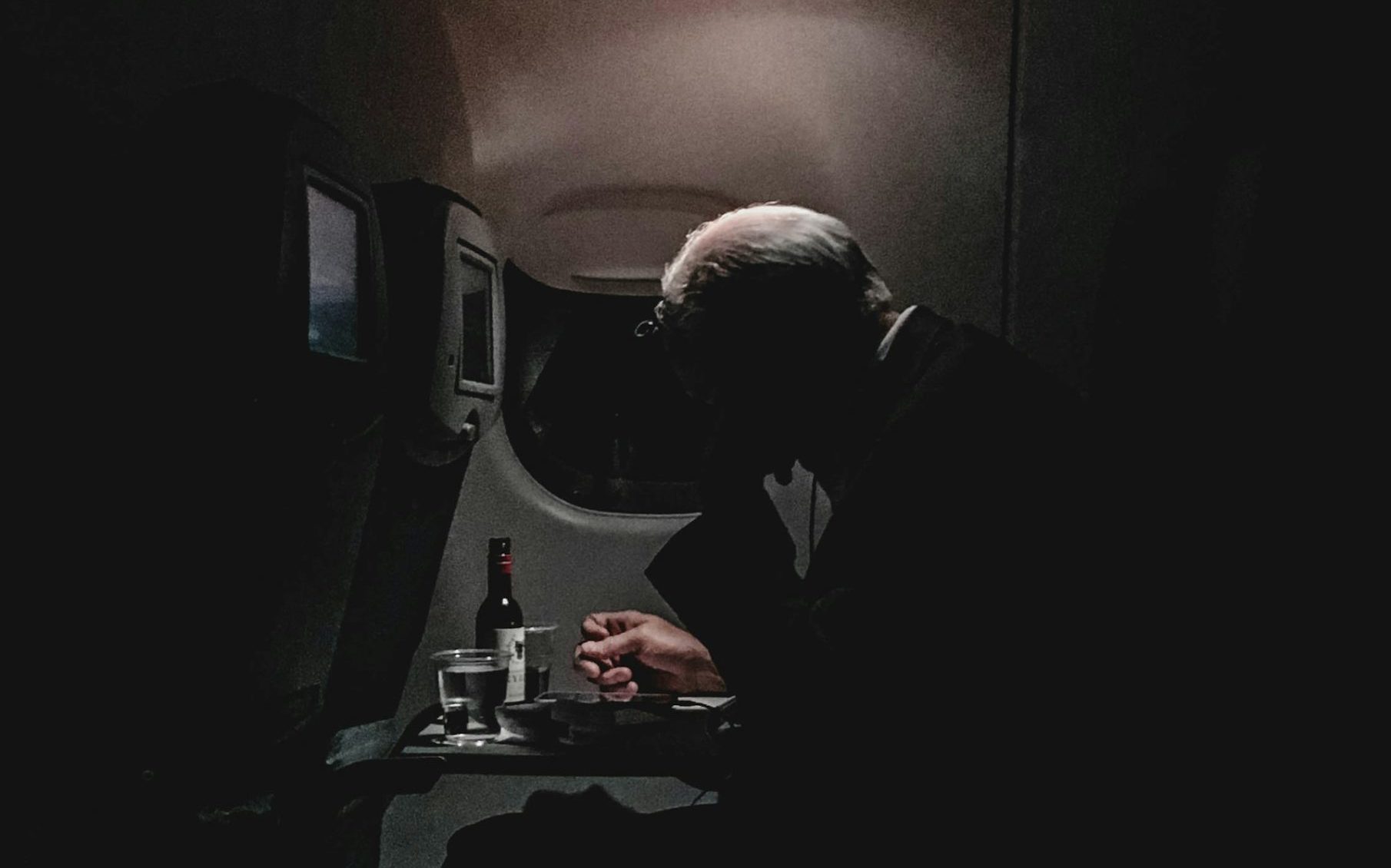
That complimentary wine might seem tempting, but alcohol can mess with your sleep quality. Not only does it dehydrate you, but it also disrupts your sleep patterns, making jet lag even worse. If you must drink, save it for when you've adjusted to the new time zone. Even then, stick to moderate amounts and drink plenty of water alongside. Your body will be working hard enough to adjust without adding alcohol to the mix.