It is a familiar feeling to step off an international flight and walk through a corridor. But you usually expect to see a stern border agent asking for your documents, not a camera pointing at your face. This is pretty soon how you will be walking into the United States.
It is actually already happening at seven US airports, and Customs and Border Protection has a clear timeline for bringing it everywhere else.
If you fly internationally with any regularity, the entry process you have known your entire life is about to look very different. Here is what is changing, what is already live, and what it means for your next trip.
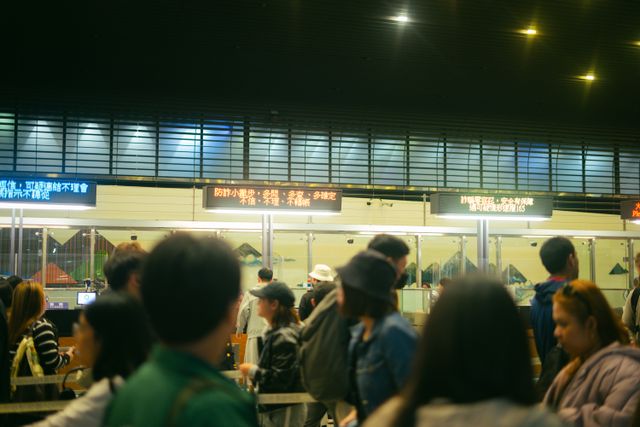
The End of "IDs Out, Please"
For as long as most travelers can remember, arriving in the United States on an international flight has meant the same thing: find your passport, queue, hand it to an officer, wait while they look at it, get it back, move on. The ritual is so consistent that most frequent international travelers do it on autopilot.
Diane Sabatino, CBP's executive assistant commissioner for field operations, described a near-future version of that process to the Washington Examiner this week that looks nothing like the current one.
"In a few years, people with Global Entry are going to be walking through at all of our airports, unless a CBP officer wants to speak to that traveler," Sabatino said.
Simply gliding through passport control is something we have always dreamed of, but the reality might take some getting used to.
Three Programs, One Direction
CBP currently runs three distinct biometric arrival programs, and they represent different stages of the same technology arc.
The first is standard facial recognition for arriving international passengers, available at 238 US airports. At these airports, a camera captures your face at a kiosk or gate camera and cross-references it against government passport, visa, and travel document databases. The match accuracy CBP reports is above 98 percent. Since June 2017, around 848 million people have moved through this process. Over 529,000 individuals who overstayed their visas have been identified using the technology.
The second is Enhanced Passenger Processing, a faster version of the facial recognition kiosk system available specifically for US citizens. This runs at 33 airports and significantly cuts down the time spent at the entry point compared to a standard officer interaction.
The third is Seamless Border Entry, the most advanced version currently operational. This program clears pre-approved Global Entry members in under three seconds at seven airports, and the traveler does not stop at all. A camera positioned in a corridor captures the face as the traveler walks through at a normal pace.
The corridor system being piloted at Orlando International Airport represents the technology that CBP plans to scale across all US airports, seaports, and land crossings over the next three to five years.
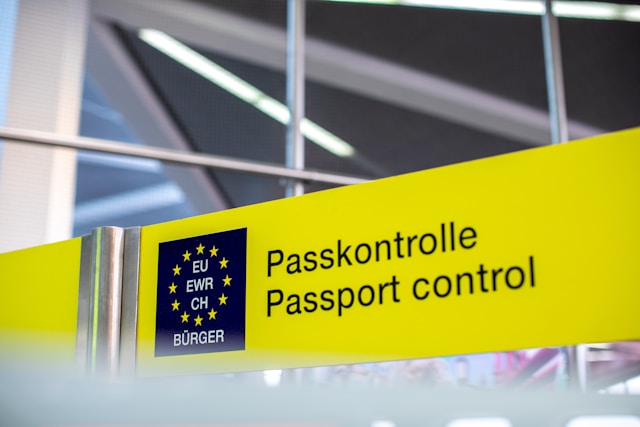
Can You Opt Out?
The answer depends entirely on your citizenship, and the rules changed at the end of 2025.
US citizens retain the right to opt out. Any American using an Enhanced Passenger Processing kiosk who does not want their photo taken can alert an officer and move to the standard line instead. Sabatino has stated multiple times that the process remains optional for American citizens.
Non-US citizens no longer have that option. A federal rule that took effect December 26, 2024 requires biometric identity checks for all non-citizens entering or leaving the country by air, land, or sea. The previous rule exempted children under 17 and adults over 79. Both groups now fall under the biometric requirement. Face scans or fingerprints on arrival and departure apply to every non-citizen crossing a US border regardless of age.
What Happens to Your Face Data
When a camera captures your image at a CBP biometric checkpoint, the photo is instantly cross-referenced against an existing government database of passport, visa, and travel document images. CBP does not create a new record from the airport photo. It checks the captured image against documentation that already exists in federal systems from your visa application, passport issuance, or prior entry records.
The match rate above 98 percent is the figure CBP cites publicly. For the scale of the operation, with hundreds of millions of travelers processed since 2017, the accuracy threshold matters operationally as much as it does philosophically.
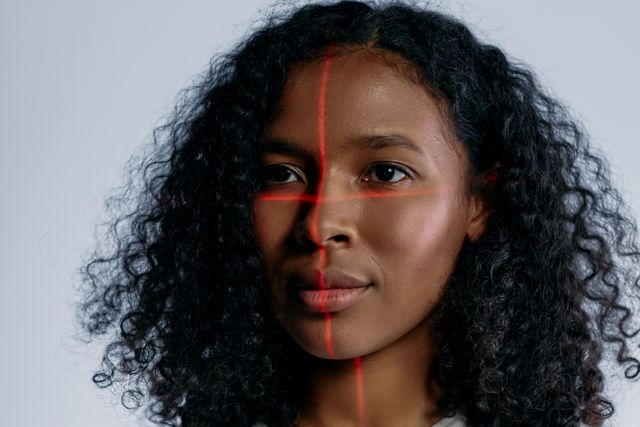
Why This Has Taken 30 Years
Congress first ordered a biometric entry-exit system in 1996. The September 11 attacks accelerated the mandate in 2001. It has taken more than two decades to reach a point where the technology works at scale, and the rollout is still not complete.
Part of the reason is funding. Airlines and airports carry the cost of biometric exit equipment rather than the federal government picking up the full tab, which is a meaningful part of why deployment has been uneven across the network. Larger airports with more resources and higher international traffic have moved faster. Smaller airports and land crossings have lagged.
Last year's federal budget package added new funding specifically to accelerate deployment, and CBP's stated timeline of three to five years to bring the technology to every US border crossing reflects that injection of resources.
One additional development worth flagging for frequent international travelers: a new baggage screening system that allows CBP officers to review checked bags remotely while a flight is still in the air is scheduled to launch at JFK's new Terminal One in 2027. The passenger-facing biometric experience at the arrivals hall is only part of what is changing. The infrastructure behind it is being rebuilt at the same time.
What This Means If You Have Global Entry
If you already hold Global Entry, the direction of travel here is squarely in your favor. The Seamless Border Entry program that clears members in under three seconds in a walk-through corridor is built on the Global Entry membership foundation. The more airports that add corridor-style entry, the more the already-fast Global Entry experience accelerates further.
For travelers who have been considering whether Global Entry is worth the application process and $120 fee, the trajectory of CBP's technology rollout adds weight to the yes argument. The program that currently delivers the fastest airport entry experience in the United States is the same one being used to pilot the technology CBP plans to scale everywhere. Getting into Global Entry now means getting ahead of the general rollout rather than catching up to it.
What to Expect at the Airport Right Now
The experience varies by airport and by which program is in operation at your specific terminal.
At the 238 airports with standard facial recognition, you approach a camera at a kiosk or designated point, your face is captured, and the system processes the match. This takes seconds rather than the minutes a manual passport check can take during busy arrival periods.
At the 33 airports with Enhanced Passenger Processing, the kiosk experience is faster and optimized specifically for US citizens.
At the seven airports running Seamless Border Entry corridors, you walk. The camera does the rest.
- LAX – Los Angeles International Airport
- MIA – Miami International Airport
- IAD – Washington Dulles International Airport
- ORD – Chicago O'Hare International Airport
- EWR – Newark Liberty International Airport
- IAH – George Bush Intercontinental Airport (Houston)
- ATL – Hartsfield-Jackson Atlanta International Airport
- Bonus (Preclearance): YYZ – Toronto Pearson International Airport also uses this tech for travelers heading directly into the U.S
At airports not yet running any of these programs, the manual process with a CBP officer remains the standard.
The patchwork nature of where each program operates right now means your entry experience can vary significantly depending on which airport you land at. Checking whether your arrival airport runs any of the biometric programs before you travel helps you know what to expect before you are standing in the arrivals hall trying to work out which line to join.
Frequently Asked Questions About Facial Recognition at US Airports
Q: What is facial recognition at US airports and how does it work?
CBP's biometric entry system captures a photo of a traveler's face at an airport checkpoint and cross-references it against existing government database images from passport, visa, and travel document records. The system confirms identity without requiring the traveler to physically present a document. Match accuracy is above 98 percent according to CBP.
Q: Which airports currently use facial recognition for international arrivals?
Standard facial recognition for international arrivals is available at 238 US airports. The faster Enhanced Passenger Processing system for US citizens operates at 33 airports. Seamless Border Entry corridors, where travelers walk through without stopping, currently run at seven airports. CBP plans to expand the technology to all US border entry points within three to five years.
Q: Do US citizens have to use facial recognition at US airports?
No. US citizens retain the right to opt out of biometric processing and request a manual check by a CBP officer. Anyone at an Enhanced Passenger Processing kiosk who does not wish to have their photo taken can alert an officer and be redirected to the standard line.
Q: Do non-US citizens have to use facial recognition?
Yes. A federal rule effective December 26, 2024 requires biometric identity checks for all non-citizens entering or leaving the United States by air, land, or sea. This covers all nationalities, visa types, and ages. The previous exemption for children under 17 and adults over 79 no longer applies.
Q: What does CBP do with the photos taken at biometric checkpoints?
The captured photo is instantly compared against existing government passport, visa, and travel document databases. CBP cross-references the image rather than creating new records from the airport photo. The agency has stated that images of US citizens who are not in any watchlist are deleted within 12 hours of capture.
Q: What is Seamless Border Entry and where does it operate?
Seamless Border Entry is CBP's most advanced biometric program, clearing pre-approved Global Entry members in under three seconds as they walk through a corridor without stopping. The traveler does not pause, tap anything, or present any document. Cameras capture the face during normal walking movement and the system processes the match in real time. The program currently operates at seven US airports, with corridor technology being piloted at Orlando International Airport ahead of broader deployment.
Q: How long will it take for every US airport to have facial recognition?
CBP has stated a timeline of three to five years to bring biometric entry and exit technology to every US airport, seaport, and land crossing. Funding from the most recent federal budget package is intended to accelerate this rollout. Individual airport and airline costs for biometric exit equipment have contributed to the uneven pace of deployment so far.
Q: Is Global Entry worth getting given these changes?
Yes, and the CBP technology rollout adds to the existing case for it. Global Entry members are the primary beneficiaries of the Seamless Border Entry corridor program, which represents the fastest airport entry experience currently available in the United States. As corridor technology scales to more airports, Global Entry members benefit first and most directly. The program costs $120 for five years and includes TSA PreCheck for domestic travel.
Q: What is the new baggage screening system coming to JFK?
A new CBP baggage screening system scheduled to launch at JFK's new Terminal One in 2027 will allow officers to review checked bags remotely while a flight is still in the air. This moves part of the screening process earlier in the arrival timeline, with the goal of reducing processing time and congestion in the baggage claim area on landing.