You’ve just wrapped a productive two-day conference in San Diego, nailed your presentation, shook all the right hands, and collected enough business cards to wallpaper a small bathroom. Your flight home isn't until Sunday. The Pacific Ocean is three miles away. The Gaslamp Quarter is practically waving at you from the hotel lobby. Balboa Park is right there.
What do you do?
If you answered "check out Friday morning and go home," we need to have a conversation. Because the rest of the business travel world has figured something out that is changing the entire industry from the inside out. The answer, obviously, is that you stay. You order room service on Friday morning, lace up your sneakers, and run along the waterfront. You spend Saturday doing absolutely nothing that resembles work. And you fly home Sunday rested, recharged, inspired, and actually better at your job for having done it.
Welcome to bleisure travel. It's not a gimmick. It's not a trend that's about to peak and fade. It is, if the numbers are anything to go by, the most significant structural shift in how people travel for work since the invention of the frequent flyer program. And it is just getting started.

The Numbers That Are Doing The Talking
The travel reports tell a story that should be required reading for anyone in hospitality, aviation, corporate travel management, or frankly any industry that involves people going places.
The global bleisure travel market was valued at approximately $762 billion in 2025. That is already a staggering figure for what many industry observers still think of as a niche behavior. But the projections are all pointing one way. Up.
By 2034, the bleisure market is expected to reach $2.2 trillion, representing a compound annual growth rate of nearly 13% over that period. For context, that growth rate significantly outpaces the broader travel and tourism market, and the trajectory shows no signs of flattening. We are, by most projections, at the early stages of a fundamental reshaping of how work and travel interrelate rather than somewhere near the peak.
The demographic driving this shift is worth understanding, because it explains both the scale of the growth and why it isn't going away. Millennials account for up to 45% of all bleisure travelers, according to research from Precedence Research. They are a generation that has grown up with both the expectation of flexibility in their working lives and the cultural conviction that experiences are among the most valuable things a person can accumulate. For this cohort, the idea of being in an interesting city for a business trip and not exploring it feels like a straightforward waste of an opportunity.
But it isn't only a millennial story. The data suggests that bleisure is rapidly becoming a cross-generational norm. Research from business travel platform Navan found that 73% of business travelers say that bleisure opportunities benefit them as employees, while 78% report that leisure time added to a work trip creates measurable value in their actual job performance.
Founders and executive teams across industries have begun consciously designing retreats, planning sessions, and offsite meetings around destinations that enable this kind of dual-mode experience. Places where productive work can happen during the day and genuine restoration is available in the evening and on extended weekends. The bleisure trip is becoming less a personal indulgence and more a strategic professional tool.
The Top Bleisure Destinations
Not every city lends itself equally well to the bleisure formula. The ideal bleisure destination needs to offer genuine business infrastructure alongside a leisure offering compelling enough to make the extension feel worthwhile rather than merely extended. The cities that get both right are the ones that are winning the bleisure market, and their airports are seeing the benefit in passenger numbers and dwell behavior.
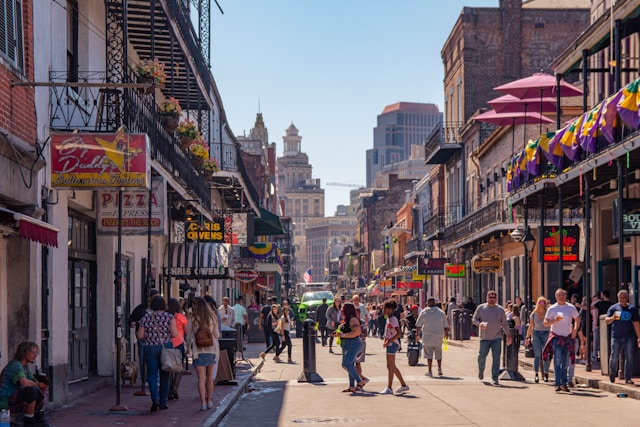
New Orleans
In March 2026, Booking.com for Business named New Orleans the best U.S. city for bleisure travel, and the designation reflects what anyone who has spent significant time in the Crescent City already knew: this is a place that makes it difficult to leave.
The business infrastructure is real. New Orleans has a mature convention industry, a growing corporate presence, and the Ernest N. Morial Convention Center remains one of the largest and most active facilities in the South. But it's what happens after the sessions end that sets New Orleans apart from every other business travel destination in the country. The food scene is not merely good; it is one of the most distinctive and celebrated culinary cultures in the world. The music is omnipresent, organic, and world-class.
Louis Armstrong New Orleans International Airport has benefited from significant investment in recent years, with a modern terminal that makes arriving and departing from this city a very pleasant experience. For bleisure travelers flying in, the arrival at MSY sets an appropriately welcoming tone.
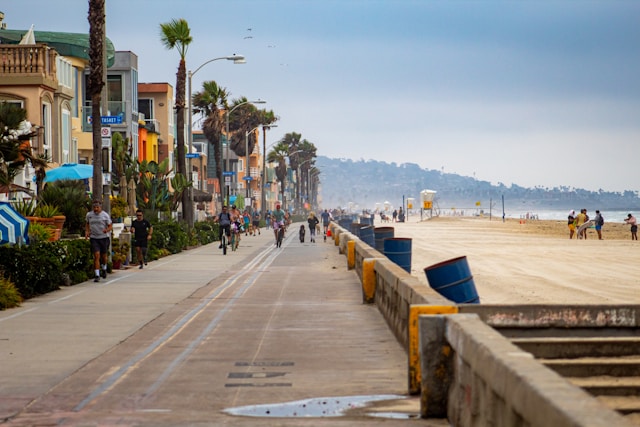
San Diego
In 2025, business travelers accounted for 13% of all visitors to the city, contributing to a total visitor count of 32.5 million and $14.8 billion in visitor spending. The convention market is robust and diverse, and the city's position as a hub for biotech, defense, and technology industries means that corporate traffic is consistent and growing.
What makes San Diego exceptional for bleisure specifically is the extraordinary proximity of leisure options to business infrastructure. The Gaslamp Quarter, Balboa Park, Little Italy, Coronado Island, and miles of Pacific coastline are all accessible within minutes of the major business hotel corridor. San Diego International Airport sits just three miles from downtown — a transit time so short that the city's appeal begins almost immediately upon landing.
SAN itself is a compact, efficient airport that regular travelers consistently rate highly for ease of navigation and speed of processing, practical advantages that become even more valuable when you're trying to maximize leisure time on either end of a work engagement.
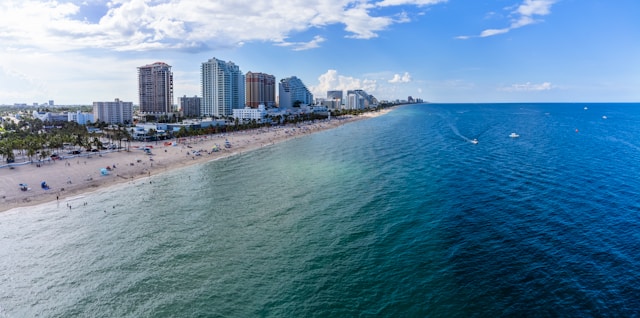
Fort Lauderdale
Fort Lauderdale has spent years building a business travel infrastructure that is quite impressive while maintaining a price point and atmosphere that Miami, its more famous neighbor, simply cannot match. Port Everglades is one of the busiest cargo and cruise hubs in the Western Hemisphere. A growing corporate corridor has attracted serious company presences. And the Brightline high-speed rail connection puts Miami within 30 minutes for any business that requires it, while Fort Lauderdale's beach and dining scene provides everything a bleisure extension needs without the overwhelming intensity of South Beach.
Fort Lauderdale-Hollywood International Airport serves this market with a network of routes that has expanded significantly in recent years, with multiple airlines competing on key business routes to New York, Chicago, and beyond. For travelers flying into South Florida on business, FLL is increasingly the smarter choice; less congested, more manageable, and positioned perfectly for a bleisure extension that might involve the beach, the Intracoastal, or a day trip to Miami when the mood strikes.
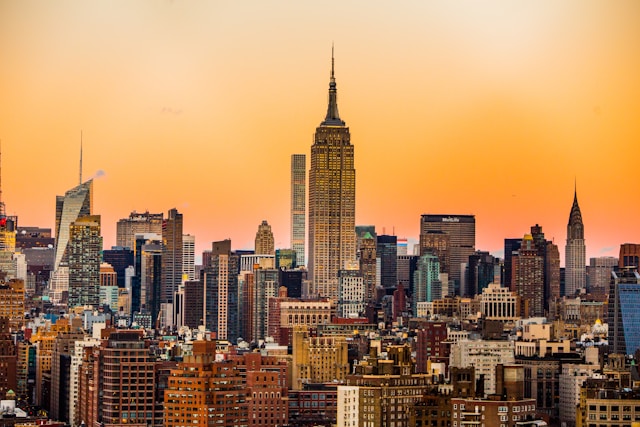
New York City
New York remains the gravitational center of American business travel — and with Central Park, world-class museums, an unmatched restaurant landscape, Broadway, and the energy of five incredibly distinct boroughs, the bleisure proposition is self-evident. The challenge in New York is not finding things to do with an extended stay; it's deciding which of the infinite options to prioritize.
The three-airport geography of the New York metro area, JFK for international arrivals, LaGuardia for domestic connections, and Newark for New Jersey-based business and additional international service, gives bleisure travelers meaningful choice in how they arrive and depart. For those extending a trip into the city proper, LaGuardia's proximity to Manhattan after its recent renovation makes it a particularly convenient entry point.
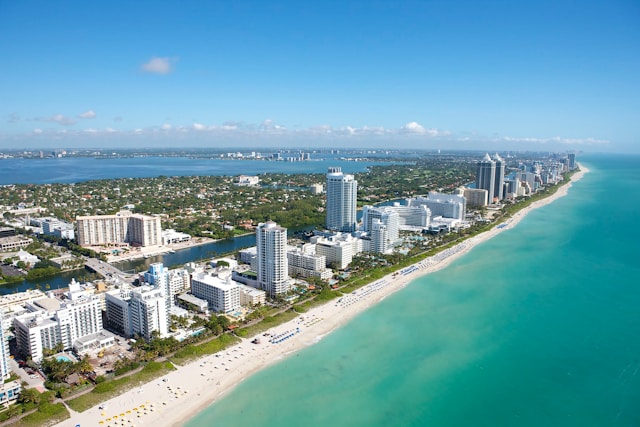
Miami
Miami's bleisure appeal is almost unfair in its comprehensiveness. World-class art scene. Exceptional dining across every cuisine imaginable. Beaches that require no justification. A nightlife culture that operates on its own logic entirely. And a business environment (particularly in finance, tech, and international trade) that has grown substantially over the past decade as companies and talent have relocated from higher-cost markets.
Miami International Airport is a major international hub that connects the city to Latin America, Europe, and beyond, making it a natural gateway for multinational business travelers who want to tack on leisure time in one of the most vibrant cities in the United States.
The Bleisure Mindset and the Journey That Supports It
The bleisure traveler is a person who places an extremely high value on their time. They are not traveling for leisure exclusively, which means every hour of downtime is precious. They are not traveling for business exclusively, which means the efficiency of the logistical elements of the trip matters enormously, because inefficiency in the journey eats into the experience.
The bleisure traveler does not want to spend forty minutes in an airport parking garage when they could be at a rooftop bar watching the sun go down over the San Diego Bay. They do not want to wrestle with last-minute parking decisions after a long day of back-to-back meetings. They want the logistics handled cleanly, affordably, and in advance, so that from the moment they leave their driveway, the trip flows.
This is where OneStopParking fits into the bleisure travel story.
OneStopParking's park-and-fly model is, at its core, a system designed for travelers who want their time respected. You identify a hotel near your departure airport, reserve your parking spot in advance at a rate that almost always significantly undercuts on-airport parking, and take advantage of a hotel shuttle that delivers you to the terminal without stress or delay. Your car is safe, your rate is locked, and the journey begins on a note of calm efficiency rather than frantic last-minute decision-making.
For the bleisure traveler, that pre-trip calm isn't trivial. It's the beginning of the mindset shift from "work mode" to "something more interesting," and arriving at the airport already relaxed, already ahead of the timeline, already unbothered by parking logistics, means the transition happens earlier and more completely.
OneStopParking's parking partner’s shuttle picks you up at the terminal and delivers you back to your car. The car is exactly where you left it. The daily rate was locked in when you booked. You drive home still feeling like the trip was a success, right to the moment you pull into your own driveway.
And here's one more feature that bleisure travelers will find particularly compelling: OneStopParking's rewards program. Every dollar spent on parking earns 100 points. Points never expire. Silver status is achieved in three qualifying trips. Gold status in six. For someone who takes business trips regularly and extends a meaningful portion of them into bleisure experiences, the cumulative reward value is genuinely significant, and it compounds across every trip, getting more valuable the more you travel.
The bleisure traveler is, by definition, someone who has figured out how to make the most of the time and resources available to them. OneStopParking is the parking choice that reflects exactly that kind of thinking — smart, intentional, and consistently better value than the alternative.
Visit OneStopParking.com to search for parking options near your departure airport, lock in your rate for your next business trip, and give the bleisure experience the seamless, stress-free foundation it deserves.
Frequently Asked Questions: Bleisure Travel Guide
Q: What exactly is bleisure travel and why is it growing so rapidly?
Bleisure travel refers to the practice of combining a business trip with a leisure extension: arriving early, staying late, or building in weekend days around a work commitment to explore the destination. It is growing rapidly for several interconnected reasons. Hybrid and flexible working arrangements have made extended travel more logistically viable for a wider range of professionals. Research consistently shows that leisure time added to business trips improves employee wellbeing and job performance. And the rise of a generation of travelers who place high value on experiences has created a cultural momentum around making the most of every trip. The travel reports suggest the market will grow from under $850 billion in 2026 to over $2 trillion by 2034.
Q: Which U.S. cities are considered the best for bleisure travel right now?
The leading bleisure destinations in the U.S. currently include New Orleans — named the best bleisure city in the country by Booking.com for Business in March 2026 — alongside San Diego, Fort Lauderdale, New York City, and Miami. The common thread among the top destinations is a genuine combination of serious business infrastructure and compelling leisure options that don't require extensive travel time between the two. The best bleisure cities are ones where the transition from conference room to cultural experience takes minutes rather than hours.
Q: Do companies support bleisure travel for their employees?
Increasingly, yes — though policies vary significantly by organization and industry. The research is broadly supportive of bleisure from an employer perspective: the travel reports indicate that the overwhelming majority of business travelers believe bleisure opportunities benefit their performance and wellbeing. Many companies are beginning to formally recognize this by building leisure time into offsite retreats and planning meetings, or by adopting flexible travel policies that allow employees to extend business trips at their own expense. The framing of bleisure as a retention and wellbeing tool, rather than a perk, is becoming more mainstream among progressive employers.
Q: How does pre-booking airport parking fit into the bleisure travel experience?
For bleisure travelers — who by definition place a high value on their time and the quality of their overall travel experience — pre-booking airport parking through a service like OneStopParking removes a significant source of pre-trip stress and post-trip friction. Knowing your parking is sorted, your rate is locked, and your shuttle to the terminal is scheduled means the journey begins calmly and efficiently, which sets a productive tone for the work portion of the trip. On return, the same seamless shuttle connection means the transition back home is smooth rather than exhausting. For frequent business travelers who regularly extend trips into bleisure experiences, OneStopParking's rewards program adds additional value — with points earned on every booking that build toward meaningful discounts on future trips.